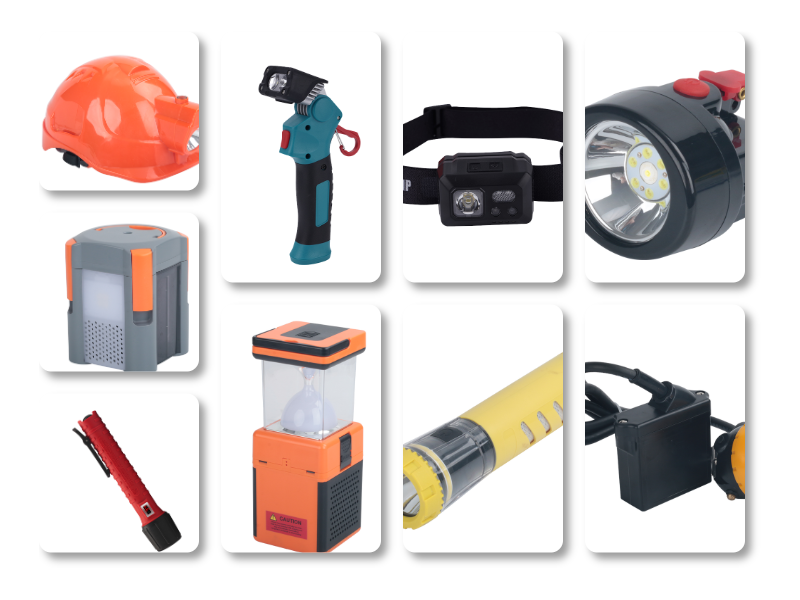
The mining industry in China is one of the most significant contributors to the country’s economic growth. However, it is also one of the most hazardous sectors, with numerous accidents occurring due to the presence of flammable gases and dust. To mitigate such risks, the procurement of explosion-proof lighting is crucial. This article provides a comprehensive guide to China mining explosion proof lighting procurement, covering the importance, types, and key considerations for a safe and efficient procurement process.
**Introduction**
Mining operations often take place in environments where flammable gases, such as methane, and dust can accumulate, posing a significant risk of explosion. To ensure the safety of workers and prevent accidents, it is essential to use explosion-proof lighting. China, being the world’s largest producer and consumer of coal, places a high priority on the procurement of explosion-proof lighting for its mining industry.
**Importance of Explosion-Proof Lighting in Mining**
Explosion-proof lighting is designed to prevent the ignition of flammable gases and dust, thereby reducing the risk of explosions and ensuring the safety of workers. The following are some key reasons why explosion-proof lighting is crucial in mining:
1. **Worker Safety**: The primary purpose of explosion-proof lighting is to protect the lives of miners. By preventing the ignition of flammable gases and dust, it reduces the risk of accidents and injuries.
2. **Compliance with Regulations**: Mining operations in China are subject to strict regulations regarding safety and health. Using explosion-proof lighting is a mandatory requirement to comply with these regulations.
3. **Efficiency**: Explosion-proof lighting is designed to provide optimal illumination, ensuring that miners can perform their tasks safely and efficiently.
**Types of Explosion-Proof Lighting**
There are various types of explosion-proof lighting available in the market, each with its unique features and applications. Some common types include:
1. **Ex-Proof Lamps**: These lamps are designed to prevent the ignition of flammable gases and dust. They are available in different voltages and wattages, making them suitable for various mining environments.
2. **Intrinsically Safe Lamps**: These lamps are designed to prevent the formation of sparks and are suitable for use in environments with high levels of flammable gases.
3. **Flameproof Lamps**: These lamps are designed to contain sparks and prevent the ignition of flammable gases and dust.
**Key Considerations for China Mining Explosion Proof Lighting Procurement**
When procuring explosion-proof lighting for the mining industry in China, several factors should be considered:
1. **Regulatory Compliance**: Ensure that the lighting equipment meets the relevant safety standards and regulations, such as the GB (Chinese National Standard) for explosion-proof lighting.
2. **Quality and Reliability**: Choose reputable suppliers who offer high-quality explosion-proof lighting products with a good track record of reliability.
3. **Warranty and Technical Support**: Opt for lighting equipment with a comprehensive warranty and reliable technical support to ensure smooth operations.
4. **Cost and Budget**: Balance the cost of procurement with the quality and reliability of the lighting equipment to ensure optimal value for money.
5. **Energy Efficiency**: Consider energy-efficient lighting options to reduce operating costs and minimize the environmental impact.
**Conclusion**
The procurement of explosion-proof lighting is a critical aspect of ensuring the safety and efficiency of mining operations in China. By understanding the importance, types, and key considerations for explosion-proof lighting procurement, mining companies can make informed decisions to protect their workers and comply with regulations. As the mining industry continues to grow, the demand for high-quality explosion-proof lighting will only increase, making it essential for mining companies to stay informed and proactive in their procurement efforts.