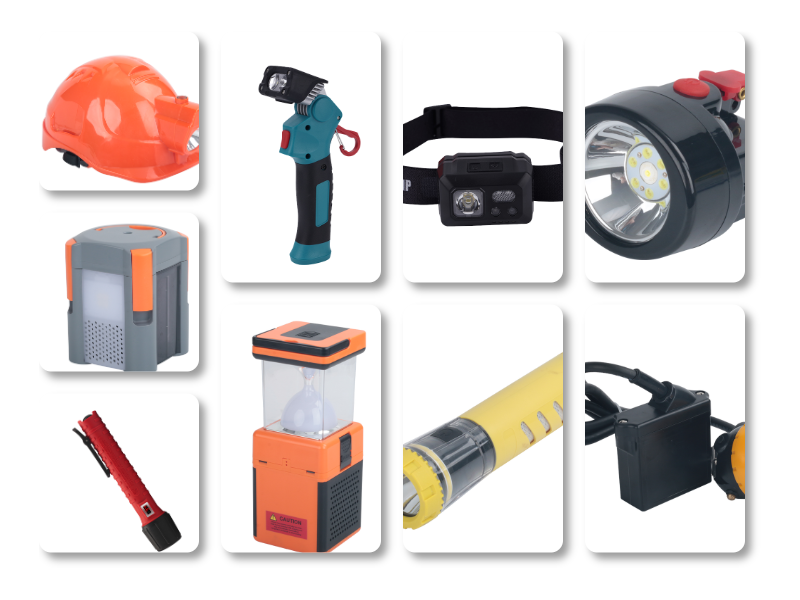
In the bustling industrial landscape of China, chemical plants play a pivotal role in the nation’s economic growth. However, the inherent dangers associated with these facilities necessitate robust safety measures. One such measure is the use of ATEX tactical flashlights. This article delves into the importance of these flashlights in chemical plants across China.
Chemical plants are complex environments where the risk of accidents is ever-present. Flammable gases, toxic substances, and high temperatures pose significant threats to both human life and the plant’s operations. To mitigate these risks, stringent safety regulations are in place, and one of the critical tools required in such environments is the ATEX tactical flashlight.
ATEX, which stands for ‘Atmospheres Explosibles,’ is a set of European standards designed to prevent explosions in potentially explosive atmospheres. These standards are crucial in chemical plants, where the risk of explosions due to flammable gases and vapors is high. ATEX tactical flashlights are specifically designed to operate in such hazardous environments, making them an indispensable tool for workers.
The design of ATEX tactical flashlights is tailored to withstand the harsh conditions of chemical plants. They are constructed with durable materials that can withstand high temperatures and are resistant to chemicals and corrosion. The lenses are made of shatterproof materials to prevent damage in the event of an impact. Additionally, these flashlights are powered by long-lasting batteries, ensuring that workers have a reliable source of light when they need it most.
One of the key features of ATEX tactical flashlights is their explosion-proof design. These flashlights are designed to prevent the ignition of flammable gases and vapors, thereby reducing the risk of explosions. This is achieved through the use of explosion-proof casings and electrical components that are resistant to sparking. The flashlights also come with a range of safety certifications, ensuring that they meet the stringent requirements of ATEX standards.
In chemical plants across China, the use of ATEX tactical flashlights is not just a regulatory requirement but also a matter of life and death. Workers rely on these flashlights to navigate through dark, dangerous areas, inspect equipment, and perform maintenance tasks. The high-intensity beam of these flashlights allows workers to see clearly in low-light conditions, thereby reducing the risk of accidents.
Moreover, ATEX tactical flashlights are designed to be user-friendly. They come with features such as adjustable brightness levels, which allow workers to customize the light output according to their needs. The flashlights also feature a convenient clip or lanyard, making them easy to carry and use while working.
Despite the importance of ATEX tactical flashlights in chemical plants, there are still challenges in their adoption. One of the primary challenges is the cost. ATEX-compliant flashlights are more expensive than regular flashlights due to their specialized design and materials. However, the long-term benefits of using these flashlights, such as reduced risk of accidents and improved worker safety, outweigh the initial investment.
In conclusion, ATEX tactical flashlights are an essential tool for chemical plants in China. Their explosion-proof design, durability, and user-friendly features make them invaluable in hazardous environments. As China continues to grow its chemical industry, the importance of these flashlights will only increase. By prioritizing safety and investing in quality equipment, chemical plants can ensure a safer workplace for their employees and a more sustainable operation.