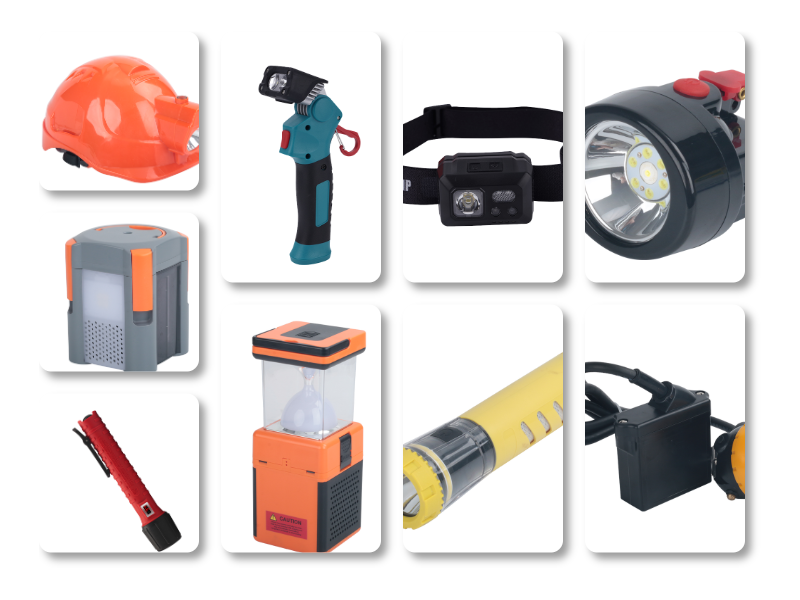
In recent years, the demand for reliable and efficient lighting solutions in hazardous areas has surged. This is primarily due to the increasing number of industries that operate in such environments, such as oil and gas, mining, and chemical processing. In this context, rechargeable tactical LED lights have emerged as a game-changer, offering unparalleled performance and safety. This article explores the role of hazardous area rechargeable tactical LED lights in China and their potential to revolutionize safety standards in the region.
**Introduction**
China, being the world’s largest producer and consumer of industrial goods, has a significant number of hazardous areas where workers are exposed to potential dangers. These areas include refineries, chemical plants, and underground mining sites. To ensure the safety of these workers, it is crucial to have reliable lighting solutions that can withstand harsh conditions and provide adequate illumination.
**The Rise of Rechargeable Tactical LED Lights**
Rechargeable tactical LED lights have gained popularity due to their numerous advantages over traditional lighting solutions. These lights are designed to operate in hazardous areas, which are defined as environments where flammable gases, vapors, or dust may be present in sufficient quantities to form explosive mixtures. Here are some key features that make rechargeable tactical LED lights ideal for hazardous areas:
1. **Intrinsically Safe Design**: These lights are designed to prevent the generation of sparks or heat that could ignite flammable substances. This is achieved through an intrinsic safety design that ensures the electrical current is contained within safe limits.
2. **Long-Life LED Technology**: LED lights offer a significantly longer lifespan compared to traditional incandescent or halogen bulbs. This means that rechargeable tactical LED lights can provide reliable illumination for extended periods without the need for frequent replacements.
3. **Energy Efficiency**: LED lights consume much less energy than traditional bulbs, making them more cost-effective in the long run. This is particularly beneficial for industries operating in hazardous areas, where energy costs can be substantial.
4. **Versatility**: Rechargeable tactical LED lights come in various designs and configurations, allowing them to be used in a wide range of applications. From handheld flashlights to headlamps and lanterns, these lights can be tailored to meet the specific needs of different hazardous environments.
**China’s Role in Advancing Hazardous Area Lighting Technology**
China has played a significant role in the development and adoption of rechargeable tactical LED lights for hazardous areas. Here are some key aspects of China’s contribution to this field:
1. **Innovation and Research**: Chinese companies have invested heavily in research and development to improve the performance and safety of rechargeable tactical LED lights. This has led to the creation of innovative products that meet international safety standards.
2. **Production and Manufacturing**: China is a leading producer of LED lighting products, with a robust manufacturing infrastructure that can cater to the growing demand for hazardous area lighting solutions. This has helped to drive down costs and make these lights more accessible to a wider range of industries.
3. **Regulatory Compliance**: The Chinese government has implemented stringent regulations to ensure the safety of workers in hazardous areas. These regulations have encouraged the adoption of advanced lighting solutions, such as rechargeable tactical LED lights, to improve safety standards.
**Conclusion**
Hazardous area rechargeable tactical LED lights have the potential to revolutionize safety standards in China and other regions with significant industrial activity. With their intrinsic safety, long-life, and energy efficiency, these lights offer a reliable and cost-effective solution for illuminating hazardous environments. As China continues to invest in research and development, we can expect to see further advancements in this field, ultimately leading to a safer and more productive future for workers in hazardous areas.