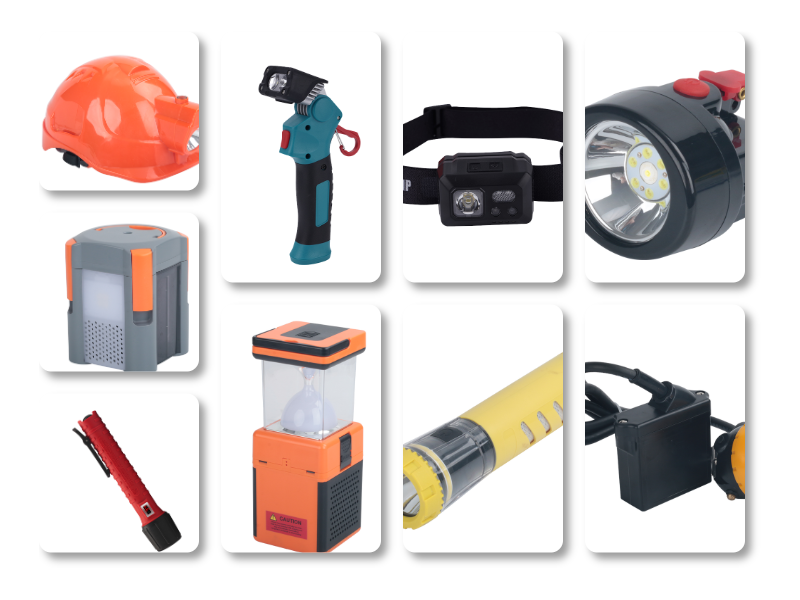
In the rapidly evolving landscape of industrial safety, hazardous area intrinsically safe tactical solutions have become paramount. China, with its bustling industrial sectors, has been at the forefront of adopting and innovating these safety measures. This article delves into the intricacies of hazardous area intrinsically safe tactical solutions in China, exploring their significance, applications, and the technological advancements that have made them a cornerstone of safety in the region.
**The Significance of Hazardous Area Intrinsically Safe Tactical Solutions**
Hazardous areas, characterized by the presence of flammable gases, vapors, liquids, or dusts, pose significant risks to both human life and industrial operations. In such environments, any spark or heat can trigger an explosion, leading to catastrophic consequences. To mitigate these risks, intrinsically safe (IS) equipment and systems are employed. These solutions are designed to prevent the release of energy that could ignite flammable substances.
In China, the significance of hazardous area intrinsically safe tactical solutions cannot be overstated. The country’s vast industrial sector, encompassing petrochemicals, manufacturing, and energy production, necessitates stringent safety measures. By adopting IS tactical solutions, Chinese industries can ensure the safety of their workers, protect their facilities, and maintain operational continuity.
**Applications of Hazardous Area Intrinsically Safe Tactical Solutions**
The applications of hazardous area intrinsically safe tactical solutions in China are diverse. These solutions are employed in various industries, including:
1. **Petrochemical Industry**: In refineries and chemical plants, IS equipment is crucial for monitoring and controlling processes that involve hazardous materials.
2. **Manufacturing Sector**: Factories that produce flammable substances or operate in environments with a risk of dust explosions rely on IS solutions for machinery and tools.
3. **Energy Production**: Power plants, particularly those involving coal and natural gas, utilize IS technology to ensure the safety of their operations.
4. **Transportation**: IS solutions are employed in the transportation of hazardous materials, ensuring the safety of both the cargo and the personnel involved.
**Technological Advancements in Hazardous Area Intrinsically Safe Tactical Solutions**
China has made significant strides in the development of hazardous area intrinsically safe tactical solutions. Some of the key technological advancements include:
1. **Advanced Materials**: The use of advanced materials, such as polytetrafluoroethylene (PTFE) and ceramics, has improved the performance and durability of IS equipment.
2. **Smart Sensors**: The integration of smart sensors into IS systems has enhanced their ability to detect and respond to hazardous conditions in real-time.
3. **Wireless Communication**: The adoption of wireless communication technology has made it easier to monitor and control IS equipment in challenging environments.
4. **Regulatory Compliance**: Chinese authorities have been proactive in updating regulations and standards to ensure the widespread adoption of IS solutions.
**Conclusion**
Hazardous area intrinsically safe tactical solutions have become an indispensable part of industrial safety in China. With continuous technological advancements and stringent regulatory frameworks, these solutions are set to play an even more significant role in ensuring the safety and efficiency of the country’s industrial sector. As China continues to innovate and adopt these safety measures, the future looks promising for a safer and more sustainable industrial landscape.