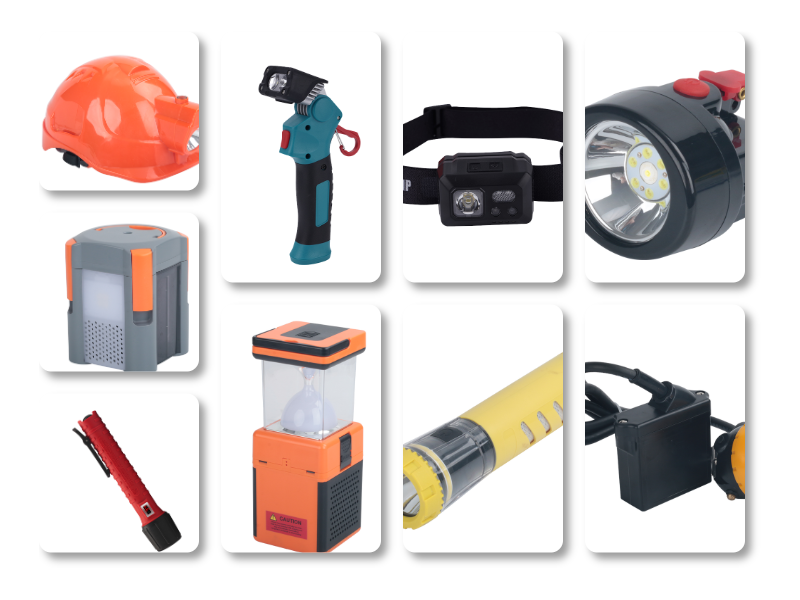
In the rapidly evolving landscape of industrial safety, hazardous area intrinsically safe tactical solutions have become a crucial aspect of ensuring the well-being of workers and the integrity of operations. China, with its vast industrial sector, has been at the forefront of adopting and innovating in this field. This article delves into the concept of hazardous area intrinsically safe tactical solutions in China, exploring their significance, applications, and the technological advancements that have made them a cornerstone of safety in the region.
**The Significance of Hazardous Area Intrinsically Safe Tactical Solutions**
Hazardous areas are environments where flammable gases, vapors, liquids, or dusts are present in sufficient quantities to ignite and cause an explosion or fire. These areas are commonly found in industries such as oil and gas, chemical processing, and mining. The presence of such hazards necessitates the implementation of stringent safety measures to prevent accidents and ensure the safety of personnel.
Intrinsically safe tactical solutions are designed to minimize the risk of ignition in hazardous areas. These solutions involve the use of equipment and systems that are specifically engineered to prevent the release of sparks, heat, or flame that could trigger an explosion. In China, the adoption of these solutions is not just a regulatory requirement but a commitment to the safety and health of workers.
**Applications of Hazardous Area Intrinsically Safe Tactical Solutions in China**
The applications of hazardous area intrinsically safe tactical solutions in China are diverse and widespread. Some of the key areas where these solutions are employed include:
1. **Oil and Gas Industry**: The oil and gas sector in China is one of the largest in the world. Intrinsically safe equipment is used in drilling operations, refining processes, and pipeline maintenance to prevent explosions and ensure the safety of workers.
2. **Chemical Processing**: The chemical industry in China is highly developed, with numerous facilities spread across the country. Intrinsically safe systems are essential in these facilities to prevent accidents that could result in environmental damage and harm to human life.
3. **Mining**: Mining operations in China often take place in hazardous environments. Intrinsically safe equipment is used to monitor gas levels, control ventilation systems, and ensure the safety of miners.
4. **Manufacturing**: The manufacturing sector in China is vast, with numerous factories and production facilities. Intrinsically safe solutions are used in these environments to prevent accidents in areas where flammable materials are handled.
**Technological Advancements in Hazardous Area Intrinsically Safe Tactical Solutions**
China has made significant technological advancements in the field of hazardous area intrinsically safe tactical solutions. Some of the key developments include:
1. **Innovative Sensors**: Advanced sensors are being developed to detect the presence of flammable gases and vapors in real-time, providing early warnings to prevent accidents.
2. **Smart Control Systems**: Smart control systems are being integrated into hazardous area environments to automate safety processes and ensure compliance with safety regulations.
3. **Energy-Efficient Equipment**: Energy-efficient intrinsically safe equipment is being developed to reduce operational costs while maintaining high safety standards.
4. **Training and Education**: There is a growing emphasis on training and education in China to ensure that workers are aware of the risks associated with hazardous areas and know how to use intrinsically safe equipment effectively.
**Conclusion**
Hazardous area intrinsically safe tactical solutions play a vital role in ensuring the safety of workers and the integrity of operations in China’s industrial sector. With ongoing technological advancements and a commitment to safety, China is setting a benchmark for other countries in the field of industrial safety.