Author: sm001

  • Flexible Rohrverbindungen für Abwasserleitungen: The Key to Efficient Drainage Systems

      The efficient management of wastewater is crucial for maintaining environmental health and public safety. In modern construction and infrastructure projects, flexible Rohrverbindungen für Abwasserleitungen have emerged as a game-changer, offering numerous advantages over traditional rigid piping systems. This article delves into the importance of flexible Rohrverbindungen für Abwasserleitungen and their role in efficient drainage systems.

      **Introduction**

      Wastewater drainage systems are essential components of any urban or industrial infrastructure. They ensure that waste water is effectively transported from buildings, streets, and industrial areas to treatment plants. In the past, rigid piping systems were the standard choice for wastewater drainage. However, with the evolution of technology and the increasing complexity of modern construction projects, flexible Rohrverbindungen für Abwasserleitungen have gained popularity. These flexible connections offer several advantages that make them a preferred choice for many engineers and contractors.

      **Advantages of Flexible Rohrverbindungen für Abwasserleitungen**

      1. **Ease of Installation**: Flexible Rohrverbindungen are easier to install compared to rigid piping systems. Their flexibility allows them to be maneuvered through tight spaces and around obstacles, reducing the need for extensive excavation and reconstruction. This not only saves time but also minimizes disruption to the surrounding environment.

      2. **Reduced Installation Costs**: The ease of installation of flexible Rohrverbindungen leads to reduced labor and material costs. Since these connections require less excavation and fewer fittings, the overall cost of the project can be significantly reduced.

      3. **Improved Performance**: Flexible Rohrverbindungen are designed to withstand a wide range of temperatures and pressures. This ensures that the drainage system remains functional even in extreme weather conditions. Additionally, their flexibility allows them to absorb vibrations and movements, reducing the risk of leaks and cracks.

      4. **Longevity**: The durability of flexible Rohrverbindungen is another significant advantage. They are made from high-quality materials that are resistant to corrosion, chemicals, and UV radiation. This ensures that the drainage system remains in good condition for many years, reducing maintenance costs and the need for frequent repairs.

      5. **Customization**: Flexible Rohrverbindungen are available in various sizes, materials, and configurations, making them suitable for a wide range of applications. This allows engineers and contractors to choose the best solution for their specific project requirements.

      **Applications of Flexible Rohrverbindungen für Abwasserleitungen**

      Flexible Rohrverbindungen are used in various applications, including:

      1. Residential buildings: These connections are ideal for plumbing systems in residential buildings, as they can be easily installed in tight spaces and around obstacles.

      2. Commercial buildings: Flexible Rohrverbindungen are also used in commercial buildings, such as office complexes and shopping centers, to ensure efficient wastewater drainage.

      3. Industrial facilities: These connections are suitable for industrial facilities, as they can withstand the harsh conditions and chemicals present in industrial wastewater.

      4. Infrastructure projects: Flexible Rohrverbindungen are often used in infrastructure projects, such as road and bridge construction, to ensure efficient drainage in challenging environments.

      **Conclusion**

      Flexible Rohrverbindungen für Abwasserleitungen have revolutionized the wastewater drainage industry, offering numerous advantages over traditional rigid piping systems. Their ease of installation, reduced costs, improved performance, and longevity make them a preferred choice for many engineers and contractors. As the demand for efficient and sustainable drainage systems continues to grow, flexible Rohrverbindungen are expected to play an increasingly important role in the future of wastewater management.

    flexible Rohrverbindungen für Abwasserleitungen

  • Rechargeable ATEX IECEx Tactical Emergency Lights: A Game-Changer in China’s Safety Industry

      In recent years, the safety industry in China has witnessed a significant transformation with the introduction of rechargeable ATEX IECEx tactical emergency lights. These innovative lighting solutions have become a game-changer, enhancing the safety and preparedness of various industries. This article explores the significance of these lights in China’s safety landscape, their features, and the impact they have on emergency response.

      The Emergence of Rechargeable ATEX IECEx Tactical Emergency Lights

      The demand for reliable and efficient emergency lighting has been on the rise in China, especially in industries that pose high risks, such as mining, oil and gas, and chemical plants. This has led to the development of rechargeable ATEX IECEx tactical emergency lights, which offer a combination of advanced technology and robust design.

      What is ATEX and IECEx?

      ATEX (Atmospheres Explosibles) and IECEx (International Electrotechnical Commission) are certifications that ensure the safety of electrical equipment used in potentially explosive atmospheres. These certifications are crucial for industries that deal with hazardous materials, as they guarantee that the equipment meets stringent safety standards.

      Features of Rechargeable ATEX IECEx Tactical Emergency Lights

      1. Long-lasting Battery Life: These lights are designed with long-lasting batteries that can withstand harsh conditions and provide up to 72 hours of illumination during emergencies.

      2. Robust Design: The lights are built to withstand harsh environments, including dust, water, and extreme temperatures. This makes them ideal for use in various industries, including mining and construction.

      3. Multiple Lighting Modes: These lights come with various lighting modes, including floodlight, strobe, and SOS, which can be used for different emergency situations.

      4. Easy to Use: The lights are designed with user-friendly interfaces, making them easy to operate during emergencies.

      5. Portability: The compact and lightweight design of these lights makes them easy to carry and store.

      Impact on Emergency Response in China

      The introduction of rechargeable ATEX IECEx tactical emergency lights has had a significant impact on emergency response in China. Some of the key benefits include:

      1. Enhanced Safety: The lights provide reliable illumination during emergencies, reducing the risk of accidents and injuries.

      2. Improved Preparedness: These lights help in preparing for emergencies by ensuring that workers have access to reliable lighting solutions.

      3. Cost-Effective: The long-lasting batteries and robust design of these lights make them a cost-effective solution for industries that require emergency lighting.

      4. Increased Efficiency: The multiple lighting modes and user-friendly interfaces make these lights efficient for use in various emergency situations.

      Conclusion

      Rechargeable ATEX IECEx tactical emergency lights have become a crucial component of emergency response in China. Their advanced technology, robust design, and user-friendly features make them an ideal solution for industries that require reliable lighting during emergencies. As the safety industry continues to evolve, these lights are expected to play a vital role in enhancing safety and preparedness across various sectors.

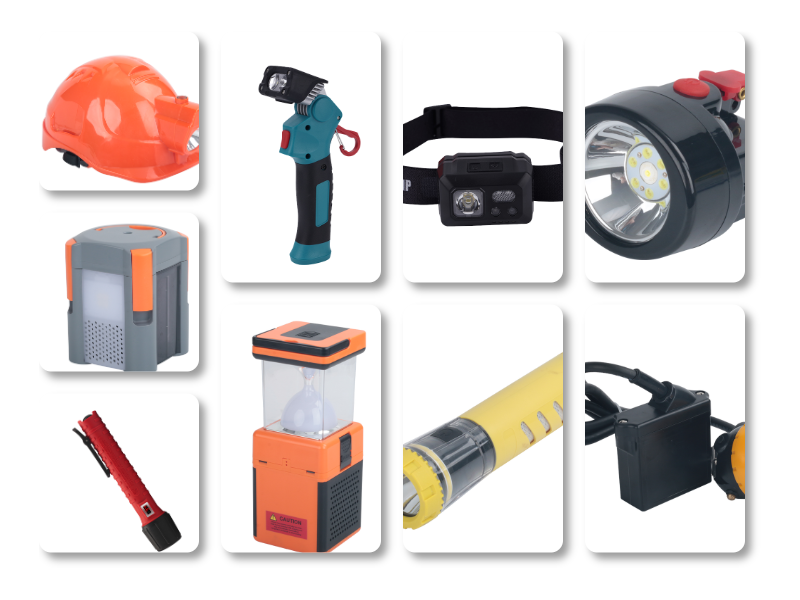
    rechargeable ATEX IECEx tactical emergency China

  • The Role and Function of Electric Vehicle Relay

      Electric vehicles (EVs) have become increasingly popular in recent years, and with this growing trend, the importance of various components within these vehicles has also come to the forefront. One such component is the electric vehicle relay, which plays a crucial role in the overall functionality and safety of EVs. In this article, we will delve into the role and function of electric vehicle relays, exploring their significance in modern electric vehicles.

      **Introduction**

      An electric vehicle relay is an electrical switch that is controlled by low-power signals and is capable of switching high-power circuits. It is an essential component in the electrical system of an electric vehicle, responsible for managing the flow of electricity to various parts of the vehicle. The relay is designed to handle high currents and voltages, ensuring the safe and efficient operation of the vehicle’s electrical system.

      **Role of Electric Vehicle Relay**

      1. **Control of High-Power Circuits**: The primary role of an electric vehicle relay is to control high-power circuits within the vehicle. This includes managing the flow of electricity to the motor, battery, and other electrical components. By using a relay, the vehicle’s electrical system can handle high currents and voltages without risking damage to the control circuit.

      2. **Safety**: Electric vehicle relays are designed to provide a high level of safety. In the event of a fault or failure in the electrical system, the relay can quickly disconnect the high-power circuits, preventing any potential damage or harm to the vehicle or its occupants.

      3. **Efficiency**: Relays contribute to the overall efficiency of an electric vehicle. By managing the flow of electricity to the motor and other components, the relay ensures that power is delivered only when needed, reducing energy consumption and extending the range of the vehicle.

      **Function of Electric Vehicle Relay**

      1. **Switching Function**: The most basic function of an electric vehicle relay is to switch high-power circuits on and off. This is achieved through the use of a coil, which, when energized, pulls a set of contacts together, completing the circuit and allowing electricity to flow.

      2. **Isolation Function**: Electric vehicle relays also provide isolation between the control circuit and the high-power circuit. This isolation ensures that any fault or failure in the high-power circuit does not affect the control circuit, thus protecting the vehicle’s electrical system.

      3. **Protection Function**: In addition to switching and isolation functions, electric vehicle relays also provide protection against overcurrent and overvoltage conditions. This protection helps to prevent damage to the vehicle’s electrical components and ensures the safety of the occupants.

      **Types of Electric Vehicle Relays**

      There are several types of electric vehicle relays, each designed to meet specific requirements within the vehicle’s electrical system. Some common types include:

      1. **Motor Relays**: These relays are used to control the motor of an electric vehicle, allowing for the acceleration and deceleration of the vehicle.

      2. **Battery Relays**: Battery relays are responsible for managing the flow of electricity to and from the vehicle’s battery, ensuring the safe and efficient operation of the battery system.

      3. **Charging Relays**: Charging relays are used to control the flow of electricity during the charging process, ensuring the safe and efficient charging of the vehicle’s battery.

      **Conclusion**

      The electric vehicle relay is a critical component in the electrical system of modern electric vehicles. Its role in controlling high-power circuits, ensuring safety, and contributing to the overall efficiency of the vehicle cannot be overstated. As the popularity of electric vehicles continues to grow, the importance of reliable and efficient electric vehicle relays will only increase. Understanding the role and function of these relays is essential for anyone interested in the design, development, or maintenance of electric vehicles.

    electric vehicle relay

  • Stainless Steel Couplings for Industrial Use: The Ultimate Guide

      In the realm of industrial machinery, the importance of reliable and durable components cannot be overstated. One such component that plays a crucial role in ensuring smooth and efficient operations is the stainless steel coupling. This article delves into the world of stainless steel couplings for industrial use, exploring their benefits, applications, and the factors to consider when selecting the right one for your machinery.

      **Introduction**

      Stainless steel couplings are designed to connect two shafts and transmit power between them. They are widely used in various industrial applications due to their exceptional strength, durability, and resistance to corrosion. Unlike traditional couplings made from materials like rubber or bronze, stainless steel couplings offer a wide range of advantages that make them the preferred choice for many industrial setups.

      **Benefits of Stainless Steel Couplings for Industrial Use**

      1. **Corrosion Resistance**: One of the most significant advantages of stainless steel couplings is their resistance to corrosion. This property makes them ideal for use in environments where exposure to moisture, chemicals, and other corrosive substances is a concern. Whether it’s in a food processing plant, a chemical factory, or a marine environment, stainless steel couplings can withstand harsh conditions without compromising their performance.

      2. **Strength and Durability**: Stainless steel is a highly durable material known for its exceptional strength. This property ensures that stainless steel couplings can withstand heavy loads and harsh operating conditions without deforming or failing. This makes them a reliable choice for heavy-duty industrial applications.

      3. **Low Maintenance**: Stainless steel couplings require minimal maintenance, making them a cost-effective solution for industrial operations. Their corrosion-resistant and durable nature reduces the need for frequent repairs and replacements, thereby lowering overall maintenance costs.

      4. **High Precision**: Stainless steel couplings offer high precision in alignment and transmission, ensuring smooth and efficient power transfer between shafts. This precision is crucial for maintaining the performance and lifespan of the connected machinery.

      **Applications of Stainless Steel Couplings for Industrial Use**

      Stainless steel couplings find applications in a wide range of industries, including:

      1. **Automotive Industry**: In the automotive industry, stainless steel couplings are used in engines, transmissions, and other critical components to ensure smooth power transmission and reduce wear and tear.

      2. **Pump Industry**: Stainless steel couplings are commonly used in pump applications, where they provide reliable power transmission and resistance to corrosion caused by chemicals and water.

      3. **Food Processing Industry**: The corrosion-resistant nature of stainless steel couplings makes them suitable for use in food processing plants, where they help maintain hygiene and prevent contamination.

      4. **Marine Industry**: In the marine industry, stainless steel couplings are used in ship engines, propulsion systems, and other critical components to ensure reliable performance in harsh marine environments.

      **Factors to Consider When Selecting Stainless Steel Couplings for Industrial Use**

      1. **Material**: Ensure that the coupling is made from high-quality stainless steel, such as AISI 316, which offers excellent corrosion resistance and strength.

      2. **Design**: The design of the coupling should be suitable for the specific application, taking into account factors like load capacity, alignment, and operating conditions.

      3. **Size and Type**: Select the appropriate size and type of coupling based on the shaft sizes, power requirements, and other specifications of your machinery.

      4. **Manufacturer**: Choose a reputable manufacturer with a proven track record in producing high-quality stainless steel couplings for industrial use.

      **Conclusion**

      Stainless steel couplings for industrial use are a vital component in ensuring the smooth and efficient operation of industrial machinery. Their corrosion resistance, durability, and high precision make them an ideal choice for a wide range of applications across various industries. By considering the factors outlined in this article, you can select the right stainless steel coupling for your machinery and enjoy the benefits of reliable power transmission and reduced maintenance costs.

    stainless steel couplings for industrial use

  • Explosion Proof Tactical Flashlight Tender China: A Comprehensive Guide

      The demand for explosion proof tactical flashlights has been on the rise in China, particularly in industries such as mining, oil and gas, and chemical processing. This article aims to provide a comprehensive guide to the explosion proof tactical flashlight tender in China, covering the importance of these flashlights, the types available, and how to choose the right one for your needs.

      **Introduction**

      Explosion proof tactical flashlights are designed to operate in environments where flammable gases, vapors, or dust may be present. These flashlights are essential for workers in industries such as mining, oil and gas, and chemical processing, as they help prevent accidents caused by sparks or flames. In this article, we will explore the importance of explosion proof tactical flashlights, the types available, and how to choose the right one for your needs.

      **The Importance of Explosion Proof Tactical Flashlights**

      Explosion proof tactical flashlights are crucial in preventing accidents in hazardous environments. These flashlights are designed to prevent sparks or flames from igniting flammable materials, thereby reducing the risk of explosions or fires. By providing a reliable source of light, explosion proof tactical flashlights enable workers to perform their tasks safely and efficiently.

      **Types of Explosion Proof Tactical Flashlights Available in China**

      1. Intrinsically Safe (IS) Flashlights: These flashlights are designed to prevent sparks by limiting the energy output to a safe level. They are suitable for use in environments with flammable gases or vapors.

      2. Flameproof (FP) Flashlights: Flameproof flashlights are designed to contain any sparks or flames within the housing, preventing them from reaching the surrounding environment. They are suitable for use in environments with both flammable gases and dust.

      3. Dust-Exproof (DX) Flashlights: These flashlights are designed to prevent the accumulation of dust within the housing, which could lead to a potential explosion. They are suitable for use in environments with dust hazards.

      **Choosing the Right Explosion Proof Tactical Flashlight for Your Needs**

      When choosing an explosion proof tactical flashlight, it is essential to consider the following factors:

      1. Environment: Determine the type of environment in which the flashlight will be used, such as a gas-filled, dust-filled, or both.

      2. Light Output: Choose a flashlight with the appropriate light output for your needs. Higher lumens provide brighter illumination, which is beneficial in low-light conditions.

      3. Battery Life: Ensure that the flashlight has a sufficient battery life to meet your needs. Some flashlights come with rechargeable batteries, while others require disposable batteries.

      4. Durability: Choose a flashlight that is durable and can withstand harsh conditions, such as drops, impacts, and exposure to water.

      5. Price: Consider your budget when selecting an explosion proof tactical flashlight. While some models may be more expensive, they may offer better performance and durability.

      **Conclusion**

      Explosion proof tactical flashlights are essential for ensuring the safety of workers in hazardous environments. By understanding the importance of these flashlights, the types available, and how to choose the right one for your needs, you can make an informed decision when selecting an explosion proof tactical flashlight tender in China.

    explosion proof tactical flashlight tender China

  • Long Term Latching Relay Supplier: Your Ultimate Guide to Reliable and Efficient Relay Solutions

      In today’s fast-paced industrial world, finding a reliable and efficient long term latching relay supplier is crucial for the smooth operation of your systems. This article will provide you with an ultimate guide to selecting the right long term latching relay supplier, ensuring that your business can benefit from high-quality, durable, and cost-effective relay solutions.

      **Understanding Latching Relays**

      To begin with, let’s understand what a latching relay is. A latching relay is a type of relay that remains latched in its last state even after the control signal is removed. This feature makes it an ideal choice for applications where maintaining the state of a circuit is essential, such as in industrial automation, security systems, and medical equipment.

      **Why Choose a Long Term Latching Relay Supplier?**

      A long term latching relay supplier can offer several advantages over suppliers who provide short-term solutions. Here are some reasons why you should consider choosing a long term latching relay supplier:

      1. **Reliability**: Long term suppliers are committed to providing high-quality products that meet the strictest industry standards. This ensures that your systems will operate smoothly and efficiently throughout their lifespan.
    2. **Durability**: Long term suppliers understand the importance of durability in industrial applications. Their products are designed to withstand harsh conditions, ensuring that they will last for years to come.
    3. **Customization**: A long term latching relay supplier can offer customized solutions to meet your specific requirements. This allows you to optimize your systems for maximum efficiency and performance.
    4. **Cost-effectiveness**: While long term suppliers may initially cost more than short-term suppliers, their durable and reliable products can save you money in the long run by reducing maintenance and replacement costs.

      **How to Choose the Right Long Term Latching Relay Supplier**

      Now that you understand the benefits of choosing a long term latching relay supplier, let’s discuss how to select the right supplier for your business:

      1. **Research**: Start by researching potential suppliers. Look for suppliers with a strong reputation in the industry, as well as those who offer a wide range of latching relay products.
    2. **Quality Assurance**: Ensure that the supplier you choose has a robust quality assurance process. This will help you rest assured that the products you receive are of the highest quality.
    3. **Customer Service**: A reliable supplier should offer excellent customer service. This includes prompt responses to inquiries, as well as after-sales support and technical assistance.
    4. **Pricing**: While cost is an important factor, it should not be the only consideration. Choose a supplier that offers competitive pricing without compromising on quality.
    5. **Warranty and Support**: Ensure that the supplier offers a comprehensive warranty and support package. This will provide you with peace of mind, knowing that you are covered in case any issues arise.

      **Top Long Term Latching Relay Suppliers**

      Here are some of the top long term latching relay suppliers in the industry:

      1. **RelayCo**: RelayCo is a leading supplier of high-quality latching relays, offering a wide range of products and customization options.
    2. **SwitchTech**: SwitchTech is known for its durable and reliable latching relays, as well as excellent customer service and support.
    3. **ElectroRelay Solutions**: ElectroRelay Solutions offers a vast selection of latching relays, with a focus on innovation and customer satisfaction.

      **Conclusion**

      In conclusion, choosing the right long term latching relay supplier is essential for the success of your business. By understanding the benefits of long term suppliers, researching potential suppliers, and considering factors such as quality, durability, and customer service, you can ensure that your systems operate smoothly and efficiently. Remember to choose a supplier that offers competitive pricing, comprehensive warranty, and excellent support to maximize the value of your investment.

    long term latching relay supplier

  • Understanding the Importance of Plumbing Flexible Couplings

      The plumbing industry is a vital sector that ensures the smooth flow of water and other fluids in residential, commercial, and industrial settings. One of the key components that play a crucial role in this industry is the plumbing flexible coupling. This article aims to delve into the significance of plumbing flexible couplings, their types, applications, and benefits.

      **Introduction**

      Plumbing flexible couplings are essential components used in various plumbing systems to connect pipes and appliances. These couplings are designed to provide flexibility, durability, and reliability, making them a preferred choice in many plumbing applications. In this article, we will explore the importance of plumbing flexible couplings, their different types, and their applications in the plumbing industry.

      **Types of Plumbing Flexible Couplings**

      1. **Flanged Flexible Couplings**: These couplings are used to connect pipes with flanges. They consist of a bellows or a flexible tube that allows for movement and vibration absorption between the connected pipes.

      2. **Hubless Flexible Couplings**: Also known as clamp couplings, these couplings do not require a hub and are typically used in applications where space is limited. They are easy to install and provide a secure connection between pipes.

      3. **Sanitary Flexible Couplings**: These couplings are specifically designed for use in food and beverage industries, as well as in pharmaceutical and chemical processing plants. They are made of materials that are resistant to corrosion and are easy to clean, ensuring the safety and hygiene of the products being processed.

      4. **Bellow Flexible Couplings**: These couplings consist of a flexible bellows that allows for significant movement between the connected pipes. They are ideal for applications where there is a significant amount of vibration or movement.

      **Applications of Plumbing Flexible Couplings**

      1. **Water Supply Systems**: Plumbing flexible couplings are extensively used in water supply systems to connect pipes and appliances, such as faucets, toilets, and washing machines.

      2. **Heating and Cooling Systems**: These couplings are used in heating and cooling systems to connect pipes and appliances, such as radiators, boilers, and air conditioners.

      3. **Industrial Applications**: In industrial settings, plumbing flexible couplings are used in various applications, such as in chemical processing plants, oil refineries, and manufacturing facilities.

      4. **Renewable Energy Systems**: These couplings are also used in renewable energy systems, such as solar and wind farms, to connect pipes and appliances.

      **Benefits of Using Plumbing Flexible Couplings**

      1. **Reduced Vibration**: Plumbing flexible couplings help to reduce vibration and noise in plumbing systems, thereby improving the overall performance and lifespan of the system.

      2. **Flexibility**: These couplings allow for movement and expansion of the connected pipes, which is particularly useful in applications where there is significant temperature change or ground movement.

      3. **Durability**: Made from high-quality materials, plumbing flexible couplings are designed to withstand harsh conditions and provide long-lasting performance.

      4. **Ease of Installation**: These couplings are easy to install and require minimal maintenance, making them a cost-effective solution for plumbing systems.

      **Conclusion**

      Plumbing flexible couplings are an essential component in the plumbing industry, providing flexibility, durability, and reliability in various applications. By understanding the different types of couplings and their benefits, plumbers and engineers can make informed decisions when selecting the right coupling for their specific needs. As the demand for efficient and reliable plumbing systems continues to grow, the importance of plumbing flexible couplings will only increase in the future.

    plumbing flexible coupling

  • Hazardous Area Intrinsically Safe Tactical Solutions in China

      In the rapidly evolving landscape of industrial safety, hazardous area intrinsically safe tactical solutions have become a crucial aspect of ensuring the well-being of workers and the integrity of operations. China, with its vast industrial sector, has been at the forefront of adopting and innovating these safety measures. This article delves into the concept of hazardous area intrinsically safe tactical solutions in China, exploring their significance, implementation, and future prospects.

      The Significance of Hazardous Area Intrinsically Safe Tactical Solutions

      Hazardous areas, characterized by the presence of flammable gases, vapors, liquids, or dust, pose significant risks to both human life and industrial processes. Traditional safety measures often fall short in such environments, making intrinsically safe (IS) tactical solutions indispensable. These solutions are designed to prevent the ignition of flammable substances, thereby minimizing the risk of explosions and fires.

      In China, the significance of hazardous area intrinsically safe tactical solutions is magnified due to the country’s extensive industrial base. From petrochemical plants to manufacturing facilities, the implementation of these solutions is crucial for ensuring the safety of workers and preventing costly downtime.

      Implementation of Hazardous Area Intrinsically Safe Tactical Solutions in China

      The implementation of hazardous area intrinsically safe tactical solutions in China involves several key components:

      1. Regulatory Framework: China has established stringent regulations governing the use of intrinsically safe equipment in hazardous areas. These regulations are designed to ensure compliance with international safety standards and protect workers from potential hazards.

      2. Technological Advancements: Chinese companies have been actively investing in research and development to enhance the performance and reliability of intrinsically safe equipment. This has led to the development of cutting-edge technologies that are both efficient and cost-effective.

      3. Training and Awareness: The successful implementation of hazardous area intrinsically safe tactical solutions requires proper training and awareness among workers. Chinese organizations have been investing in training programs to ensure that employees are well-versed in the use and maintenance of intrinsically safe equipment.

      4. Collaboration with International Partners: To stay abreast of the latest global trends and technologies, Chinese companies have been collaborating with international partners. This collaboration has facilitated the transfer of knowledge and expertise, further enhancing the country’s capabilities in hazardous area safety.

      Future Prospects of Hazardous Area Intrinsically Safe Tactical Solutions in China

      The future of hazardous area intrinsically safe tactical solutions in China looks promising. Several factors contribute to this optimism:

      1. Increasing Awareness: As awareness of the risks associated with hazardous areas grows, more organizations are likely to adopt intrinsically safe tactical solutions.

      2. Technological Advancements: Continuous advancements in technology are expected to lead to the development of even more efficient and reliable intrinsically safe equipment.

      3. Government Support: The Chinese government’s commitment to promoting industrial safety is expected to provide a conducive environment for the growth of hazardous area intrinsically safe tactical solutions.

      4. Global Market Expansion: With the increasing demand for intrinsically safe equipment worldwide, Chinese companies are well-positioned to capture a significant share of the global market.

      In conclusion, hazardous area intrinsically safe tactical solutions play a vital role in ensuring the safety of workers and the integrity of industrial operations in China. As the country continues to invest in research, development, and training, the future of hazardous area safety in China looks bright. By adopting these solutions, Chinese organizations can not only protect their employees but also contribute to the global effort in promoting industrial safety.

    hazardous area intrinsically safe tactical China

  • Latching Relay for Project Purchase: A Comprehensive Guide

      In the realm of electronics and automation, selecting the right components for a project is crucial. One such component that often goes unnoticed but plays a vital role is the latching relay. This article aims to provide a comprehensive guide on latching relays for project purchase, helping you make an informed decision for your next project.

      The Basics of Latching Relays
    A latching relay is a type of relay that remains in a latched state after being activated, even when the control signal is removed. This feature makes them highly efficient in applications where maintaining a state is essential. Unlike conventional relays that require a continuous power source to maintain their state, latching relays can save energy and simplify circuit design.

      Types of Latching Relays
    There are primarily two types of latching relays: mechanical and solid-state. Mechanical latching relays use electromagnets to operate a set of contacts, while solid-state latching relays use semiconductor devices like transistors or thyristors.

      Mechanical Latching Relays
    Mechanical latching relays are known for their durability and reliability. They are available in various contact arrangements, such as SPDT (Single Pole, Double Throw) and DPDT (Double Pole, Double Throw). These relays are suitable for applications with high current and voltage ratings, such as industrial automation and motor control.

      Solid-State Latching Relays
    Solid-state latching relays are compact, lightweight, and have no moving parts, making them ideal for applications where space is limited and reliability is crucial. They are available in various configurations, including SPST (Single Pole, Single Throw) and SPDT. These relays are commonly used in consumer electronics, medical devices, and automotive applications.

      Key Factors to Consider When Purchasing a Latching Relay
    1. Contact Rating: The contact rating of a latching relay determines the maximum current and voltage it can handle. Ensure that the relay’s contact rating matches the requirements of your project.

      2. Coil Voltage: The coil voltage of a latching relay is the voltage required to activate the relay. Choose a relay with a coil voltage that matches your power supply.

      3. Operating Current: The operating current is the current required to activate the relay. It is essential to ensure that your control circuit can provide the required operating current.

      4. Mounting Type: Latching relays are available in various mounting types, such as DIN rail, PCB, and panel mount. Choose a mounting type that suits your project requirements.

      5. Environmental Conditions: Consider the environmental conditions in which the relay will be used, such as temperature, humidity, and vibration. Choose a relay that is suitable for the specific environment.

      Applications of Latching Relays
    Latching relays find applications in various fields, including:

      1. Industrial Automation: Latching relays are used in industrial automation systems for controlling high-power devices, such as motors and solenoids.

      2. Home Automation: Latching relays are used in home automation systems for controlling lights, fans, and other electrical appliances.

      3. Automotive: Latching relays are used in automotive applications for controlling brake lights, turn signals, and other electrical systems.

      4. Medical Devices: Latching relays are used in medical devices for controlling electrical components, such as motors and pumps.

      Conclusion
    When purchasing a latching relay for your project, it is crucial to consider various factors, such as contact rating, coil voltage, operating current, mounting type, and environmental conditions. By selecting the right latching relay, you can ensure the success and efficiency of your project. Always refer to the manufacturer’s specifications and consult with an expert if needed. With the right latching relay, your project will be one step closer to achieving its goals.

    latching relay for project purchase

  • Flexible Pipe Coupling Stainless Steel: The Ultimate Guide to Durability and Versatility

      Flexible pipe couplings have become an essential component in various industries due to their ability to absorb vibrations, compensate for misalignments, and provide a secure connection between pipes. Among the different types of flexible pipe couplings available in the market, stainless steel flexible pipe couplings stand out for their exceptional durability and versatility. This article aims to provide a comprehensive guide to flexible pipe coupling stainless steel, covering their features, benefits, applications, and maintenance tips.

      **Introduction**

      Flexible pipe couplings are designed to connect two pipes while allowing for movement and vibration absorption. They are commonly used in industries such as oil and gas, water treatment, and HVAC systems. Stainless steel flexible pipe couplings are a popular choice due to their corrosion-resistant properties and ability to withstand harsh environments.

      **Features of Flexible Pipe Coupling Stainless Steel**

      1. **Corrosion Resistance**: Stainless steel is known for its excellent corrosion resistance, making it ideal for use in environments where exposure to chemicals, high temperatures, and moisture is common.
    2. **High Strength**: Stainless steel flexible pipe couplings are designed to withstand high pressure and temperature variations, ensuring a long-lasting and reliable connection.
    3. **Ease of Installation**: These couplings are easy to install and require minimal maintenance, making them a convenient choice for various applications.
    4. **Versatility**: Stainless steel flexible pipe couplings are available in various sizes, designs, and pressure ratings, catering to different industry needs.

      **Benefits of Flexible Pipe Coupling Stainless Steel**

      1. **Reduced Vibration**: Flexible pipe couplings absorb vibrations, reducing the risk of pipe damage and improving overall system performance.
    2. **Compensation for Misalignments**: These couplings can compensate for minor misalignments between pipes, ensuring a secure and leak-proof connection.
    3. **Extended Pipe Life**: By absorbing vibrations and compensating for misalignments, stainless steel flexible pipe couplings help extend the life of the connected pipes.
    4. **Cost-Effective**: Despite their higher initial cost compared to other types of pipe couplings, stainless steel flexible pipe couplings offer long-term cost savings due to their durability and low maintenance requirements.

      **Applications of Flexible Pipe Coupling Stainless Steel**

      1. **Oil and Gas Industry**: Stainless steel flexible pipe couplings are commonly used in oil and gas pipelines to withstand harsh environmental conditions and high pressure.
    2. **Water Treatment Plants**: These couplings are ideal for use in water treatment plants, where corrosion resistance and durability are crucial.
    3. **HVAC Systems**: Flexible pipe couplings are used in HVAC systems to absorb vibrations and ensure a secure connection between pipes.
    4. **Chemical Processing Plants**: Stainless steel flexible pipe couplings are suitable for use in chemical processing plants, where exposure to corrosive substances is common.

      **Maintenance Tips for Flexible Pipe Coupling Stainless Steel**

      1. **Regular Inspection**: Regularly inspect the stainless steel flexible pipe couplings for signs of wear and tear, such as cracks or corrosion.
    2. **Cleaning**: Clean the couplings to remove any debris or contaminants that may affect their performance.
    3. **Lubrication**: Apply a suitable lubricant to the joints to ensure smooth operation and prevent corrosion.
    4. **Replacement**: Replace worn-out or damaged couplings promptly to avoid potential system failures.

      **Conclusion**

      Flexible pipe coupling stainless steel is an excellent choice for various industrial applications due to its durability, versatility, and corrosion-resistant properties. By understanding the features, benefits, and maintenance tips of these couplings, you can ensure a reliable and long-lasting connection between pipes in your system.

    flexible pipe coupling stainless steel
