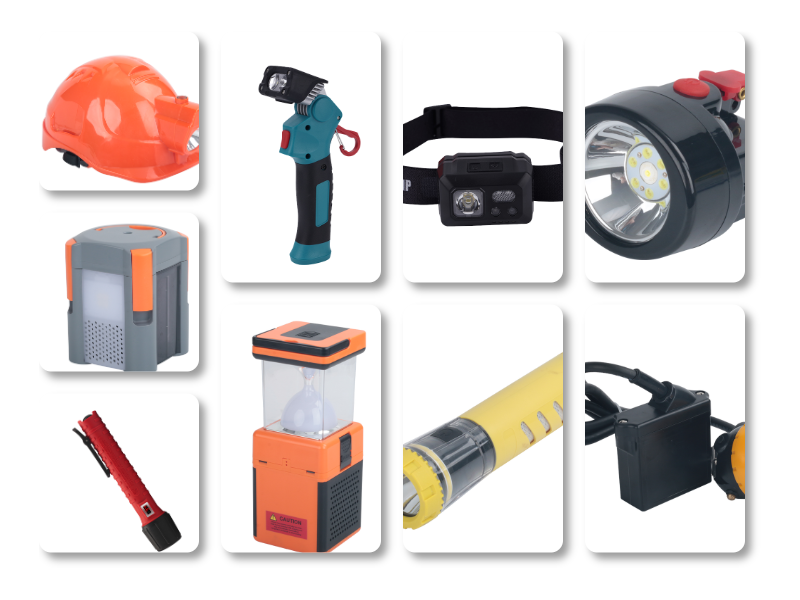
In the fast-paced world we live in, safety and preparedness are of paramount importance. One of the essential tools that have gained significant attention in recent years is the ATEX emergency tactical flashlight China. This article aims to explore the features, benefits, and the impact of these flashlights in China and worldwide.
**Introduction**
The ATEX emergency tactical flashlight China is a specialized lighting device designed to provide illumination in emergency situations, particularly in environments where flammable gases or dust are present. ATEX stands for “Atmospheres Explosibles,” and it refers to the European directive that sets the standards for equipment used in potentially explosive atmospheres. These flashlights are a testament to the advancements in technology and their importance in ensuring safety in critical situations.
**Key Features of ATEX Emergency Tactical Flashlight China**
1. **Explosion-Proof Design**: The primary feature of these flashlights is their explosion-proof design, which makes them suitable for use in hazardous environments. They are constructed with materials that prevent the ignition of sparks or heat, thus reducing the risk of explosions.
2. **High-Lumen Output**: ATEX emergency tactical flashlights China are equipped with high-intensity LEDs that provide a bright and focused beam. This feature is crucial in low-light conditions, allowing users to see clearly even in the darkest environments.
3. **Waterproof and Dustproof**: These flashlights are designed to be waterproof and dustproof, making them suitable for use in various weather conditions and environments. This durability ensures that the flashlight remains functional when it matters most.
4. **Long Battery Life**: With their advanced battery technology, ATEX emergency tactical flashlights China offer extended runtime, ensuring that users have a reliable source of light when they need it most.
5. **Multiple Modes**: These flashlights come with multiple modes, including high, low, strobe, and SOS, allowing users to customize the light output based on their specific needs.
**Benefits of ATEX Emergency Tactical Flashlight China**
1. **Enhanced Safety**: The explosion-proof design of these flashlights ensures that they can be used in potentially hazardous environments without posing a risk of fire or explosion.
2. **Improved Preparedness**: Having an ATEX emergency tactical flashlight China on hand can significantly improve preparedness for emergencies, whether it’s a natural disaster or a workplace accident.
3. **Versatility**: These flashlights are suitable for a wide range of applications, including emergency response, mining, construction, and industrial settings.
4. **Durability**: The robust construction and high-quality materials used in these flashlights ensure that they can withstand harsh conditions and last for years.
**Impact of ATEX Emergency Tactical Flashlight China**
The introduction of ATEX emergency tactical flashlights China has had a significant impact on safety and preparedness. These flashlights have become an essential tool for emergency responders, industrial workers, and individuals who need to ensure their safety in potentially hazardous environments.
**Conclusion**
In conclusion, the ATEX emergency tactical flashlight China is a game-changer for safety and preparedness. With their explosion-proof design, high-lumen output, and durability, these flashlights offer a reliable source of light in critical situations. As awareness of the importance of safety and preparedness continues to grow, the demand for ATEX emergency tactical flashlights China is expected to increase, making them an indispensable tool for anyone who needs to ensure their safety in potentially hazardous environments.